
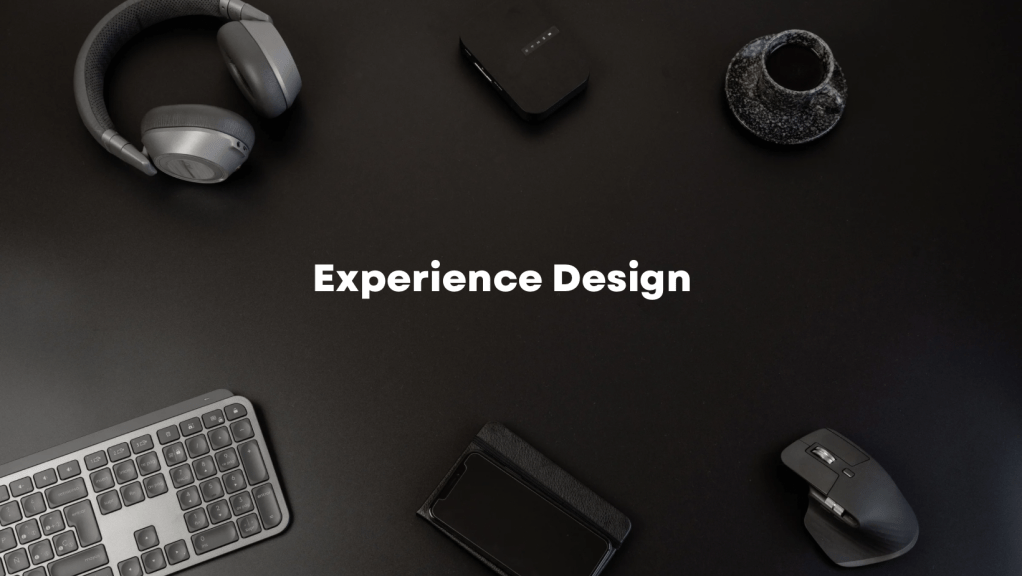
Experience design can be applied to a wide range of industries and fields, including technology, retail, hospitality, and healthcare, however to get a better understanding, I would first start with a few questions?
1. How do we use emotions to create a more engaging and memorable experience for users?
2. How can we leverage habits to make using our product or service feel natural and effortless for user?
3. Is there a way we can design for positive emotions to create a sense of joy and satisfaction for the user again how can we use negative emotions in a constructive way, to create a sense of urgency or drive desired behavior?
4. Are we able to use emotions and habits to create a more cohesive and consistent experience across different touchpoints and channels and how can we measure and track the emotional response of our users to understand the effectiveness of our design decisions?
From the questions above, these are a few of the lessons I have gained.
Emotion and Habit
Emotion and habit are two key factors that play a critical role in the design of products and services. Emotion refers to the psychological and physiological response that people have to stimuli, while habit refers to the repetition of a behavior or action. In the context of experience design, emotion and habit can be used to create engaging, useful, and emotionally satisfying experiences for users.
One way that emotion can be used in experience design is by designing products and services that appeal to users’ emotions. For example, a company might design a mobile app that uses color, imagery, and other visual elements to create an emotional response in users. This can help the app stand out from competitors and create a stronger emotional connection with users, which can increase customer satisfaction and loyalty.
Another way that emotion can be used in experience design is by designing products and services that are intuitive and easy to use. For example, a company might design a website that uses clear, concise language and simple navigation to make it easy for users to find what they are looking for. This can help create a positive emotional response in users and improve their overall experience with the website.
Habit is also an important factor in experience design. By designing products and services that are easy to use and that fit into users’ daily routines, companies can create habits that drive customer engagement and loyalty. For example, a company might design a fitness app that encourages users to track their daily activity and make small changes to their routine, such as taking the stairs instead of the elevator. Over time, these small changes can become habits, which can help improve users’ overall health and well-being.
Hooked: How to Build Habit-Forming Products by Nir Eyal is a book that discusses the role of emotion and habit in the design of products and services. In the book, Eyal argues that companies can use emotion and habit to create products and services that are engaging and that users will want to use over and over again. He provides examples of how companies can use emotion and habit to create products and services that are habit-forming and that drive customer engagement and loyalty.
Experience Design
Experience design, also known as user experience (UX) design or customer experience (CX) design, is the practice of designing products and services in a way that creates a positive emotional response and fosters habitual use in users. This can include designing physical products, digital products, or services, and may involve a wide range of design disciplines such as interface design, interaction design, visual design, and more.
According to the Interaction Design Foundation, “Experience design is a practice that focuses on designing the overall experience of a product or service, from the very first interaction a user has with it, through to the end. It’s about designing the emotional and psychological journey that someone goes through when they use a product or service.”
The goal of experience design is to create products and services that are engaging, satisfying, and effective at meeting user needs, and that foster positive emotional connections and habitual use in users. This requires designers to consider the full range of emotions and behaviors that users may experience during their interactions with a product or service, and to design for these experiences in a way that is intuitive, enjoyable, and effective.
Design for the Real World by Victor Papanek is a book that discusses the importance of designing for people and the environment, rather than just for profit. Papanek argues that good design can have a positive impact on people’s lives, and that designers have a responsibility to create products that are both useful and ethical.
The Design of Everyday Things by Don Norman is another book that discusses the importance of emotional experience design. In the book, Norman discusses how good design can make products and services more intuitive and easy to use, while bad design can lead to frustration and confusion. He also discusses how design can be used to create emotional connections with users, and how companies can use design to improve their customers’ experiences.
Design for Emotion by Aarron Walter is yet another book that discusses the role of emotion in design. In the book, Walter discusses how emotion plays a critical role in the design of products and services, and how designers can use emotion to create memorable experiences for users. He also discusses how emotion can be used to create deeper connections with customers and improve a company’s bottom line.
Additionally, experience design can help companies differentiate themselves from competitors and create emotional connections with their customers, which can lead to increased brand awareness and customer loyalty.
Examples from Big Tech
Some examples of big tech companies that have used emotional experience design to their advantage include Apple, which has designed its products to be sleek, intuitive, and emotionally appealing, and Google, which has designed its services to be user-friendly and emotionally engaging. These companies have used emotional experience design to create positive, memorable experiences for their customers, which has helped them grow and succeed in the highly competitive tech industry.
In conclusion, experience design is critical to business growth because it can help companies create positive, memorable experiences for their customers, which can lead to increased customer satisfaction and loyalty. The books, Design for the Real World, The Design of Everyday Things, and Design for Emotion all discuss the importance of emotional experience design in business and provide examples of how it can be used effectively. In other words…
1. Improved user experience leads to increased customer satisfaction: When a product or service is designed with the user in mind and meets their needs and expectations, it leads to higher levels of satisfaction. Satisfied customers are more likely to return, recommend the product or service to others, and have a positive perception of the company.
2. Enhanced usability leads to increased conversion rates: A product or service that is easy to use and navigate can significantly improve the likelihood that a user will complete a desired action, such as making a purchase or signing up for a service. By making it easy for users to achieve their goals, businesses can increase conversion rates and drive revenue growth.
3. Improved brand perception: A positive user experience can contribute to a more favorable perception of a brand. When users have a good experience with a product or service, they are more likely to associate that positive experience with the brand and view it in a more favorable light. This can lead to increased brand loyalty and advocacy.
4. Increased competitiveness: In today’s digital age, it is increasingly important for businesses to differentiate themselves in order to stand out in the marketplace. A strong user experience can be a competitive advantage, as it can help a business attract and retain customers in a crowded market. By investing in experience design, businesses can create a competitive edge and drive growth.
Credit
1. Hooked: How to Build Habit-Forming Products by Nir Eyal
2. Design for the Real World by Victor Papanek
3. The Design of Everyday Things by Don Norman
4. Design for Emotion by Aarron Walter
5. Experience Design” Interaction Design Foundation. https://www.interaction-design.org/literature/topics/experience-design
6. “What is Experience Design?” UX Collective. https://uxdesign.cc/what-is-experience-design-e8b55a97a947
7. ChatGPT

 Growth Journey By Frank A